
Understanding Solar Battery Tech for Everyday Backup Power
When the power cuts off in the middle of a storm or a summer afternoon thunderclap rolls through Jacksonville, most of us just hope the electricity comes back quickly. But more homeowners are starting to ask a different question: How do we keep things running without waiting on the grid?
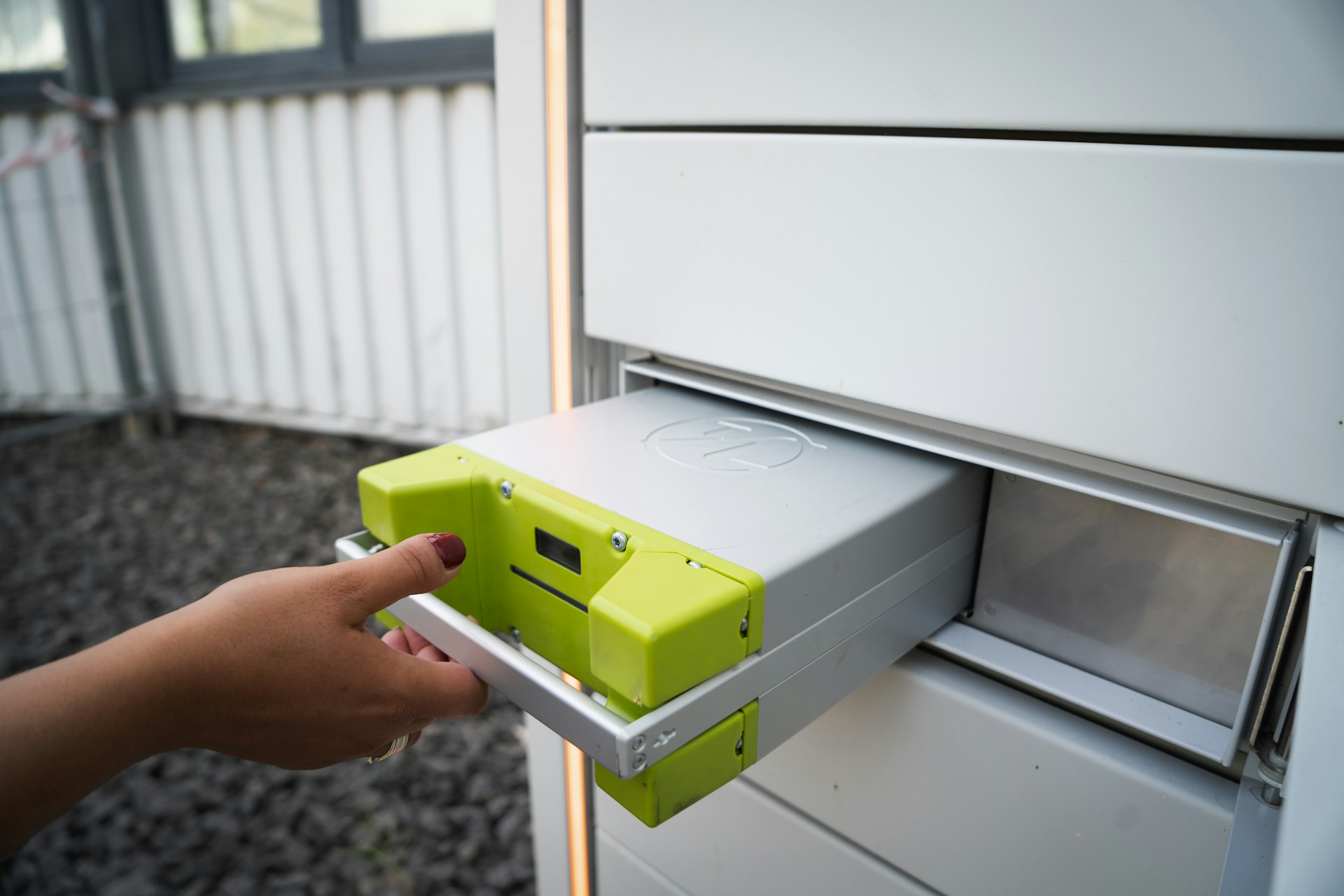
That is where solar batteries come in. They store power from your solar panels so your home can keep functioning, even when the neighborhood goes dark. Whether it is about handling rainy-day interruptions or getting steadier energy use in a hot Florida climate, solar battery installation in Jacksonville gives families a simple way to keep their homes powered and comfortable.
What Solar Batteries Actually Do
Solar panels are great at turning sunlight into energy during the day. But once the sun goes down or clouds roll in, you still need electricity. That is when the battery steps in.
Here is how the process usually works:
- Solar panels collect sunlight and turn that into electricity for your home to use.
- Any extra energy that is not used right away gets stored in the battery.
- When your panels are not making enough (like overnight or during cloudy hours), the battery kicks in and sends power to your home.
This exchange works smoothly when everything is set up the right way. In a city like Jacksonville, where sudden weather changes and seasonal storms are common, it is a smart way to keep lights on and appliances running.
We know weather can disrupt the power at any time. Having that extra supply set aside helps keep life steady whether it is a quiet night or an active storm afternoon.
Different Kinds of Solar Battery Systems
Not every solar battery works the same way. Some are made to deliver power for shorter periods, perfect for minor outages. Others are larger and able to support whole-home backup during longer blackouts.
Most solar batteries installed in homes fall into one of these groups:
- Lithium-ion batteries: These are more compact, last longer, and charge quickly.
- Lead-acid batteries: These usually cost less upfront but take up more space and need more attention over time.
- Hybrid systems: A combination of features designed to work with both solar and the grid.
What really matters, especially in places like Jacksonville, is how the battery handles high temperatures and big swings in humidity. Many systems are added to garages or shaded outdoor walls, depending on the heat. Good placement and the right design make a difference when summer is at its peak or during afternoon storms.
Choosing the type depends a lot on how often you lose power and how much of your home you want to keep operating during an outage. Air conditioners, refrigerators, and medical equipment are usually priorities for most families.
Everyday Benefits Beyond Just Outages
Batteries are not just for emergencies. Many homes use stored energy every day to help efficiency and reduce strain on the energy grid.
Here are some ways this works at home:
- Saving power for times when rates are higher or weather is cloudy
- Knowing your home can keep running without drawing from the grid all the time
- Reducing stress on large appliances when there is a high demand for electricity around the city
Even small changes in energy use can add up over time. Some batteries let you track how much power you are using and when, helping you recognize patterns and adjust as needed. That is helpful in Florida when air conditioning runs almost year-round, especially as temperatures rise again in the spring.
Sometimes, these systems make daily living feel more consistent. You notice fewer flickers, and things just work even when others are calling the energy company for assistance.
What to Expect From a Solar Battery Installation in Jacksonville
Living in Florida means thinking ahead when it comes to energy setup. Humidity, roof shape, and shade from trees all play a part in how and where solar batteries are installed.
During a proper solar battery installation in Jacksonville, professionals take a few things into account:
- Placing the battery out of direct heat but close enough for wiring
- Local codes related to fire safety, electrical work, and inspections
- Battery size that fits your family’s backup needs and roof setup
It makes sense to ask a few questions before installation begins. These include who applies for permits, how much of the home will be on backup, and the time needed for the project. It is recommended to check that the installer is familiar with Florida-specific issues like salt air, heat expansion, and wind ratings.
Every home is unique, and local knowledge is helpful for those small but important details.
Built-In Backup for Florida Life
A solar battery will not stop the rain or calm a summer storm, but it provides your home with a dependable way to keep operating when trouble affects the grid. That reserve of stored power can keep freezers cold, lights on, and devices charged whether the outage lasts an hour or an entire day.
Everyday use is important too. A quiet boost during hot days, some help overnight, or simply feeling ready makes a difference. With a practical plan and experienced local guidance, battery systems can offer more peace of mind and fewer surprises during rough weather.
Spring is an excellent time to think ahead. Backup power does not have to be confusing. With solar batteries, staying steady and staying safe is easier.
At A1A Solar & Air, we understand that keeping your home secure and comfortable matters year-round, especially with Florida’s unpredictable weather. Whether you need reliable backup during outages or a smoother daily energy routine, having the right setup helps a lot.
Considering storage for your system can improve your overall energy solution, and we will guide you through every detail of a proper solar battery installation in Jacksonville that fits your home and goals. Contact us today to get started.
