
Why Proper Placement of Solar Panels Affects Efficiency
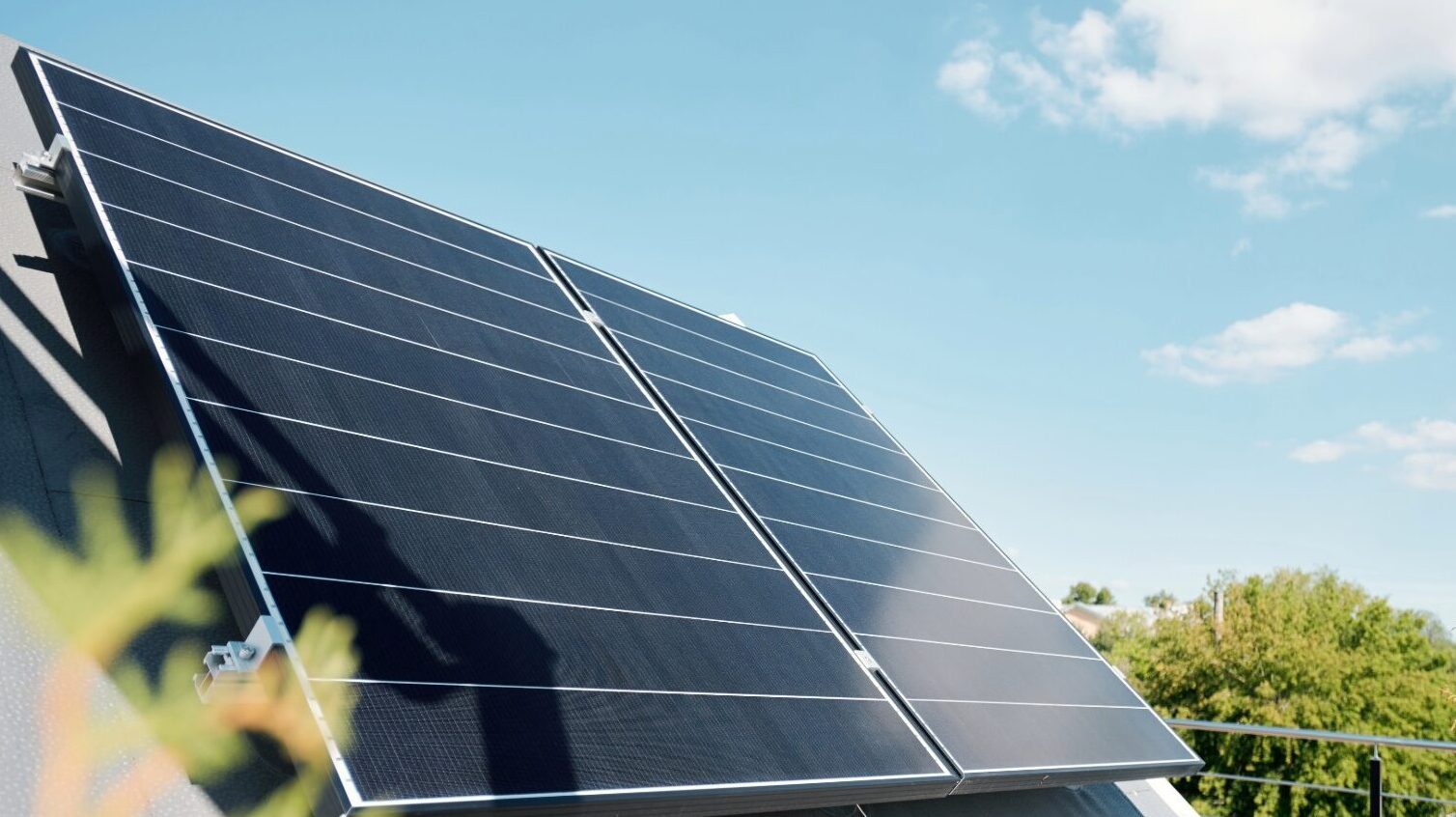
When thinking about solar panels in Jacksonville, it’s easy to focus on the amount of sunshine we get throughout the year. But sunlight alone doesn’t do the job. Where panels are placed on your property can make the difference between a system that works well and one that falls short. Placement matters more than most people realize, especially in a place like Northeast Florida.
Our area sees strong sun most of the year, but it’s the mix of early morning brightness, pop-up afternoon storms, and seasonal shifts that make planning a solar setup more involved. To get the best results, everything from direction and roof angle to tree cover and neighborhood rules needs to be considered.
How Sunlight Direction Affects Solar Performance
Panels work best when they are in direct sunlight. That sounds simple, but Florida’s changing skies make it tricky. The direction your panels face will affect how much sun they get throughout the day.
Here’s how this typically plays out:
- South-facing roofs usually capture the most sunlight, especially in Jacksonville’s climate
- East-facing panels catch early sun but often miss afternoon brightness
- West-facing setups are good for catching late-day rays but not great for all-day power
Shade is a big deal too. A large tree, nearby home, or even your own chimney can block light and lower power. When we look at a roof, we’re not just looking at where a panel can sit. We’re checking how that area changes hour by hour through the day.
With so many short bursts of rain and cloudy windows during spring and summer, every bit of available sunlight counts. That’s why angles, direction, and shade must be planned carefully to get more consistent output.
Roof Shape, Size, and Structure
Not every roof makes solar simple. We’ve seen homes with lots of space but tough angles, or others that look flat but don’t give the right exposure.
Here’s what we look for on a rooftop:
- Is there enough unshaded room to work with?
- What is the angle or pitch?
- Are there vents, skylights, or small sections that break up space?
Roofs with tricky layouts might only support a few panels or need custom mounts. In those cases, ground-mounted systems may be a better fit. They require space in the yard but can be arranged for better sun access. That kind of flexibility helps when the roof can’t carry the load or the angles just don’t match what the sunlight needs.
Weather Patterns and Seasonal Sun
Jacksonville’s weather adds a layer of planning that many people don’t expect. We often deal with quick-moving storm clouds, long summer days, and a noticeable difference in where the sun sits between March and October.
Thinking about how the sun shifts over the seasons helps set up panels that can take advantage of longer daylight in summer without losing too much value in the milder winter. Our main goal is to design a setup that works well across the year, rather than just in peak sunlight months.
Rain and wind are part of the puzzle too. Summer storms don’t just reduce light, they can toss debris around. Panel placement should lower the chances of wind-related damage. That means avoiding edges, overhangs, and other spots where gusts can do more harm. Strong mounting helps with this, but smart placement often avoids the issue in the first place.
Local Rules and Neighborhood Considerations
Installing solar in Florida isn’t just about sun. It involves permits, inspections, and working within community guidelines. Jacksonville has its own set of local codes, which lay out how and where panels can be installed.
These pieces are part of a proper plan:
- Following Florida’s safety codes for rooftop electrical systems
- Meeting Jacksonville’s building standards
- Respecting homeowner association rules for appearance and street view
Sometimes a roof offers good sun exposure, but it can’t be used because it faces the street and violates a neighborhood rule. In other cases, panels have to be placed in certain spots to meet wire length limits or allow smoother access to the inverter that connects your system to the electrical panel.
We make those calls early in the process so that no surprises pop up once work begins. Small design changes here can mean better performance and fewer delays across the board.
Getting the Most Out of Your System
Good placement isn’t just about strong performance today. It’s about keeping the system running well for years. When panels are put where they can stay cooler and take in steady sun, they tend to last longer and need fewer adjustments.
We often look at battery storage when discussing placement too. If your panels won’t get much sunlight during certain seasons, batteries can help keep your use consistent. They store extra power during peak hours and feed it back into the home when the panels aren’t producing as much.
Monitoring also plays a role. Some solar systems let you view how each panel performs. That level of detail might show that a chimney or a large tree is creating more shade than expected, which can result in reworking one part of the setup if needed.
Smarter Setups Lead to Better Results
The truth is, having solar panels doesn’t guarantee good results. It’s how those panels interact with the sun, the roof, weather, and even local rules that makes or breaks the system.
When placement is done right, the system just works better. There’s less trouble with outages during cloudy hours, better flow into backup systems, and a smoother way to reach energy goals. Jacksonville’s weather can shift fast, but good design helps remove the guesswork.
By paying attention to every detail, like roof shape, shade, and how the sun moves through the sky, we help families make sure their solar setup does more with the sun they get. Proper placement isn’t just a small choice, it’s the starting point for a power system they can count on.
Planning a solar installation in Jacksonville means considering every detail of your system’s performance. At A1A Solar & Air, we carefully address direction, shade, and layout to make sure your system remains efficient all year round with Florida’s changing weather. Our expert approach creates long-lasting systems that integrate seamlessly with your home. Discover our approach to solar panels in Jacksonville and contact us today to get your project started.
