
Why Solar Myths Cost Jacksonville Homeowners Money
Solar panel installation in Jacksonville, FL is not just a trend; it is a smart way to cut high power bills and gain more control over your home energy. With rising rates from local utilities and long, hot summers, many homeowners are searching for better options. Solar keeps coming up, but myths and half-truths scare people away before they ever get a real quote.
That misinformation has a cost. When people delay for years because of something they heard from a neighbor or on social media, they keep paying more for electricity than they need to. As a local solar, a battery storage, HVAC, and energy-efficiency contractor, we see the same myths again and again. In this article, we clear them up with local facts and real-world experience in Northeast Florida.
Myth 1: “Solar Does Not Work Well in Jacksonville’s Climate”
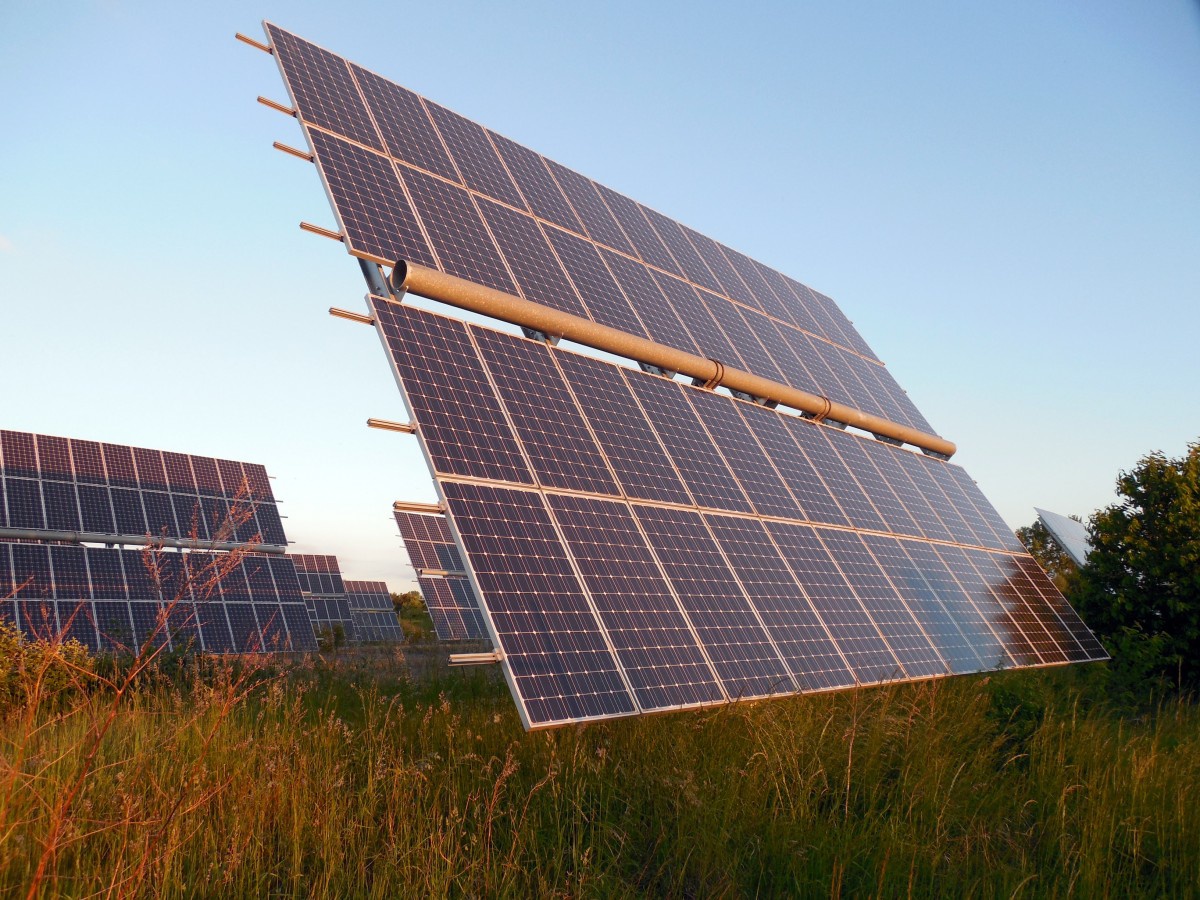
Some people hear that solar panels do not like heat and assume they will not work well here. The truth is much simpler. Solar panels make power from sunlight, not from heat. Very hot days can lower efficiency a little, but in a bright place with long daylight hours, panels still produce a lot of energy.
Jacksonville and the rest of Northeast Florida get plenty of sun across the year. When AC use climbs, solar production also climbs, which lines up nicely with when you need power most. Our mild winters keep energy needs more stable too, so solar can help in every season.
Storm season is another concern we hear:
- Panels ripping off in high winds
- Racking pulling up roof shingles
- Systems not being designed for local code
- Safety during hurricanes and strong storms
Modern systems are engineered with strong racking, proper attachments, and wind-load calculations that follow local building codes. When a licensed professional designs and installs your system, it is built with Jacksonville’s weather in mind, including high winds and heavy rain.
Myth 2: “Solar Is Too Expensive and Never Pays Off”
Another big myth around solar panel installation in Jacksonville, FL is that it is only for wealthy homeowners and that it never really pays for itself. This view misses some important points about how solar works with your electric bill and the incentives that exist.
Several things shape the long-term payoff of solar:
- Federal tax credits that can lower your net cost
- Your roof size, orientation, and shading
- Your home’s energy use, especially summer AC use
- The size and design of the solar system
When your power bills spike in hot months, every kilowatt-hour your system produces is a kilowatt-hour you do not buy from the grid. Over time, that adds up. Many homeowners see a steady drop in their monthly bills, which helps offset the cost of the system.
How you pay for solar also matters. Some people choose:
- Cash, for the most straightforward long-term savings
- Solar loans through local or national lenders
- A home equity line of credit, in some cases
Owning your system, instead of going with third-party ownership, can boost long-term value. The panels stay with the home, and future buyers may see them as a feature, not a problem, especially when they understand the bill savings.
Myth 3: “Solar Panels Will Damage My Roof or Void My Warranty”
Plenty of Jacksonville homeowners worry that solar means holes in the roof, leaks, and upset roofing companies. When done correctly by a professional, it is the opposite. A good design-build contractor looks at your roof first, not last.
Before installation, a professional team will:
- Check roof age and remaining life
- Evaluate structure and framing
- Review roofing material and condition
- Suggest roof work first if it is near the end of its life
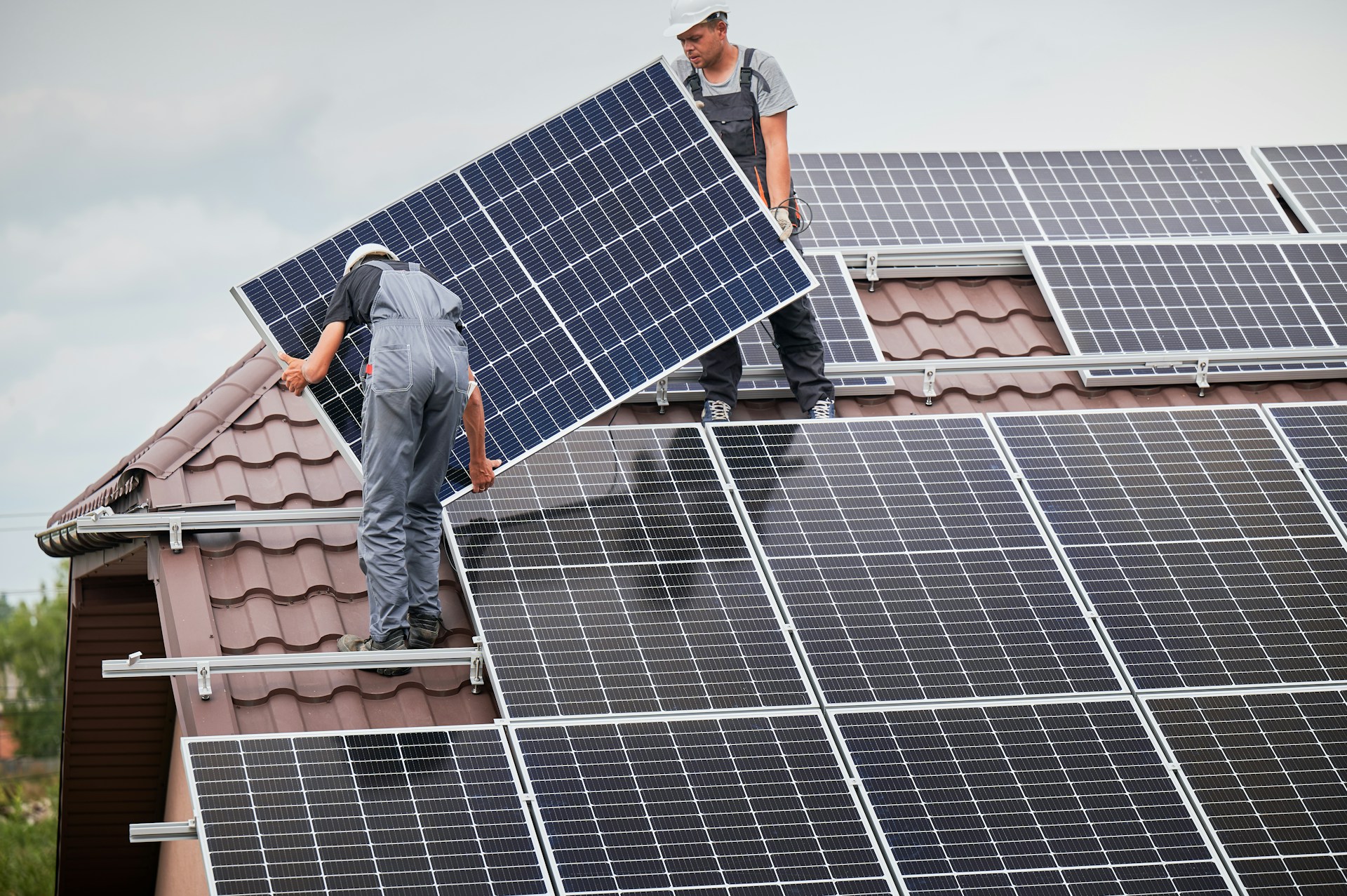
Modern mounting systems are designed to protect your roof, not damage it. Installers use flashed and sealed penetrations that tie into rafters, with gaskets and hardware meant to keep water out. This method is very different from old-school lag bolts without flashing.
Roofing and solar warranties can also work together. It helps when your solar installer:
- Is licensed for the work being done
- Coordinates with roofing manufacturers when needed
- Carries proper insurance
- Provides a workmanship warranty on the solar installation
The goal is a system that looks clean, performs well, and keeps your roof protected over time.
Myth 4: “Solar Only Helps During the Day and Not in Outages”
A lot of people think that if the power goes out, their solar panels will keep everything running on their own. Then they learn that standard grid-tied systems shut down during outages for safety, and they feel like solar is not as helpful as they thought. The reality is more nuanced.
Here is what usually happens:
- A standard grid-tied solar system makes power when the sun is up
- Excess energy can go back to the grid, often for bill credits
- If the grid goes dark, the system turns off to protect line workers
To keep power on during an outage, you need solar paired with battery storage and the right control equipment. With a battery system, your solar can:
- Keep key loads running, like lights and outlets
- Power refrigerators and freezers so food stays safe
- Keep internet and device charging going
- Support smaller AC loads or bedroom units, depending on design
In Northeast Florida, where summer storms and hurricanes can cause outages, a well-designed system that links solar, batteries, and efficient HVAC can make a big difference in comfort. It can also help smooth out your daily energy use and reduce how hard your AC has to work during peak times.
Myth 5: “Solar Is High Maintenance and Hurts Curb Appeal”
Some homeowners picture solar as a constant chore with strange-looking panels cluttering the roof. That view is pretty outdated. Modern systems are designed to be low-maintenance and look clean and simple.
Daily and weekly care is minimal. Most systems need only:
- Occasional cleaning if pollen, dust, or debris build up
- Quick checks through a phone app or monitoring portal
- Periodic professional inspections and tune-ups
In Jacksonville, we also think about humidity, tree debris, and salt air for homes near the coast. Quality equipment is rated to handle these conditions, and regular checkups help keep everything in good shape.
On the curb appeal side, today’s panels are low profile, with dark frames and a sleek look. A well-planned array:
- Sits flat and even on the roof
- Follows clean lines instead of a scattered design
- Often blends into darker roof materials
For many buyers, solar is now a sign of an efficient, thoughtfully updated home, especially when paired with modern HVAC and other energy upgrades. Done right, it can be a selling point instead of an eyesore.
Get Started With Your Project Today
If you are ready to cut energy costs and gain more control over your power, our team is here to help you plan the right solar panel installation in Jacksonville, FL. At A1A Solar & Air, we take the time to understand your home, budget, and long-term goals so your system delivers reliable performance year after year. Reach out today to ask questions, compare options, or schedule a consultation, and we will guide you through every step. If you prefer, you can also contact us to get started.
