
Do Solar Water Heaters Work in Florida’s Cloudy Winters?
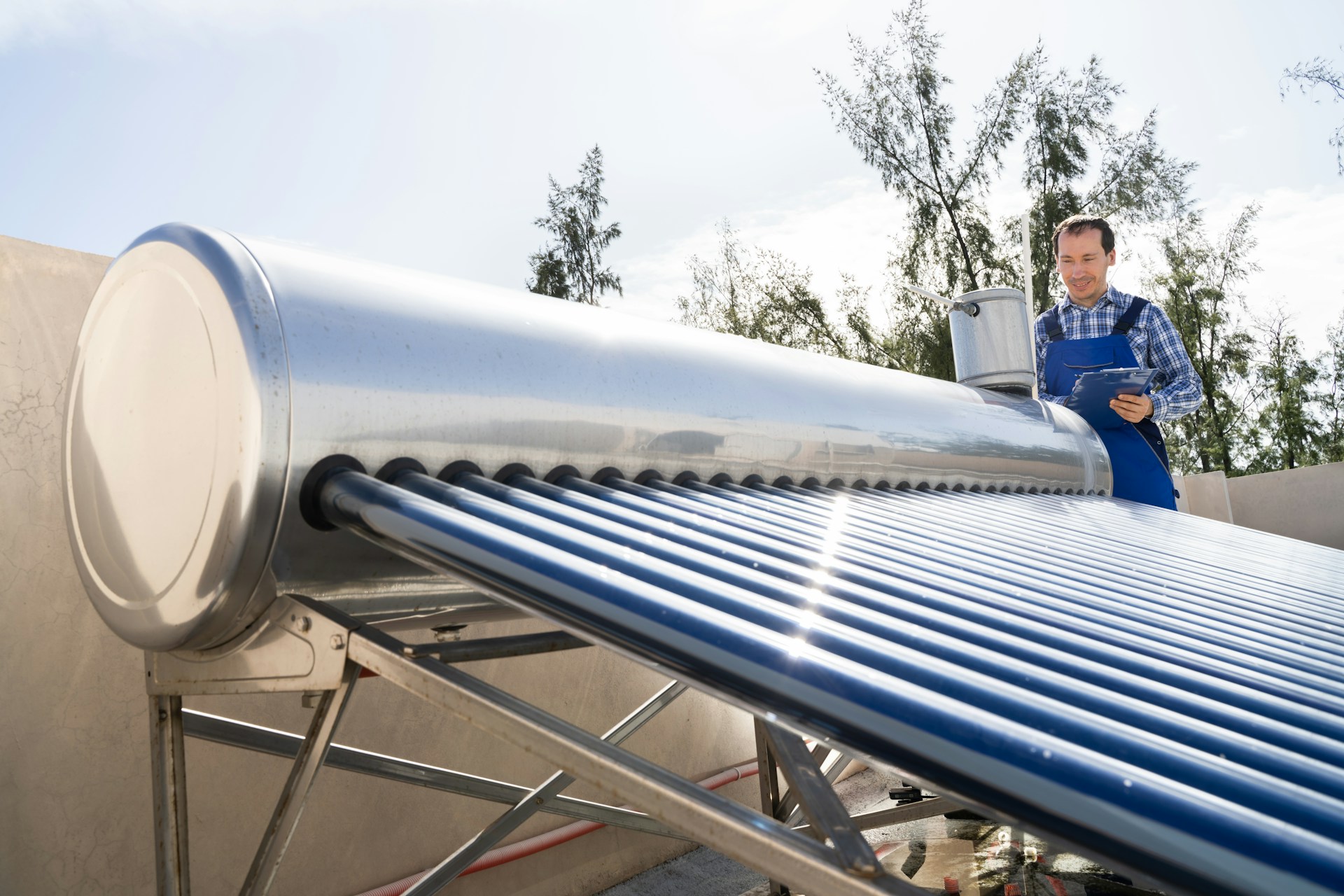
Florida winters might not bring snow or freezing temperatures, but cloudy skies can still show up for days at a time. This leads many people to wonder if solar water heaters can still do their job when the sun is hiding behind the clouds.
A solar water heater uses sunlight to heat water, usually for home use like showers or washing. It’s a simple idea that can make a big difference in how much energy a household uses. But when those gray winter days roll through, we often get questions about whether a solar water heater in Jacksonville, FL can hold up during the cloudier parts of the season. The short answer is yes, but there are a few things worth understanding to feel confident in how these systems work all year long.
How Solar Water Heaters Work
At a glance, solar water heaters don’t seem too complicated. They take energy from the sun, move it through a collector or tube system, and use that heat to warm water stored in a tank. Once the water is hot, it’s ready for regular use like in any home.
These systems usually come in two types. Active systems use pumps and controls to move water or heat around. Passive systems do the same job without pumps, using gravity and natural flow instead. Both methods get the job done, but each one handles cloudy weather a little differently.
One thing they both have in common is that they don’t need blazing sun to work. Solar heating systems are built to collect diffused light, not just direct light. So even when clouds roll in, there’s still energy being gathered. That makes them more flexible than you might think on days that are bright but overcast.
What Happens on Cloudy or Cool Florida Days
Florida’s cooler months might come with more shade than summer, but they’re rarely harsh. Temperatures usually stay mild, and while there are more cloudy days, sunshine still breaks through from time to time.
That’s good news for solar systems. Solar water heaters are able to use ambient light, even when skies are covered. They might produce slightly less heat on a fully overcast day, but they still work. The key is that they don’t shut off when the sun hides; they just gather energy more slowly.
To keep things steady through longer cloudy stretches, many systems come with built-in backups. These backups, often electric or gas, kick in only when the water doesn’t reach a certain temperature. That means warm showers still happen even if there hasn’t been much sun for a few days. It’s not a constant need, just a helpful backup when the weather isn’t playing along.
Reasons Solar Water Heaters Make Sense in Jacksonville
Jacksonville gets far more sunshine than shadow, even in the heart of winter. That makes it a reliable area for solar use year-round. Even in the cloudiest part of the season, the amount of sun is typically enough to keep things running well.
When a solar system is doing most of the heavy lifting, home water heaters don’t rely on electricity or gas as often. That takes pressure off the rest of the home’s energy layout, especially during months when heaters or other systems are already running more than usual.
Here’s what makes solar heaters a strong choice in our area:
- Jacksonville has lots of sunny days, even during winter.
- The mild weather means systems don’t struggle to heat ice-cold water.
- Cloudy days don’t stop the system, especially with a good design in place.
Over time, this setup helps reduce the daily load on the rest of your home systems. It regularly supports comfort without adding to your electric use in a big way.
Maintaining Performance Through the Season
Even well-built systems do better when they’re taken care of, especially during months when weather shifts more than usual. That’s why regular maintenance, even when things seem to be working fine, plays a big part in long-term performance.
A few storms, wind gusts, or heavy rain might not break your system, but they can knock things out of line or block parts that need sunlight. Keeping everything clean and in place helps the heater work as well in February as it did back in July.
Routine checks can also catch smaller malfunctions early, like valve issues or control problems, before they lead to cold water where it isn’t welcome. Most people won’t notice when something starts to slow down, but seasonal inspections can spot what we can’t.
The right heater for your home, placed in a spot that gets good light and kept in top shape, is what makes a big difference. Winter weather might be cooler, but it is rarely cold enough to challenge a strong solar design.
Why Florida Winters Still Work for Solar Gains
Even when January brings more clouds than sun, Jacksonville still has the kind of climate that supports steady solar water heating. The days might be shorter and the light more filtered, but there’s still enough energy to keep systems working most of the time.
Having more sun than other parts of the country pays off here. We don’t deal with snow, ice, or long deep freezes, so our systems don’t need to battle those extra conditions. Even on days when the heat stays low, a quality solar water heater keeps things going.
When the right system is paired with the right setup and a little steady maintenance, there’s no real drop-off during the Florida winter. Whether skies are clear or partly cloudy, solar heaters are still helping keep homes comfortable without relying on electric or gas every day.
A good solar setup doesn’t need perfect weather. It just needs solid planning and care. Jacksonville’s winter fits that balance well, offering just enough sunshine for your system to keep on performing.
Explore a system designed for Florida’s climate that reduces your home’s energy consumption and discover how a solar water heater in Jacksonville, FL can be the perfect solution. Jacksonville’s year-round sunshine creates a reliable path for solar heating, especially when paired with a setup tailored to your space and lifestyle. At A1A Solar & Air, we have seen how solar continues working even when the skies are partly clear and are here to help you understand how everything fits together for your property. Ready to explore solar solutions? Contact us today.
