
When Solar Battery Storage in Jacksonville Becomes a Smart Upgrade
Solar Energy, Battery Storage, Home Energy, Jacksonville, FL, Hurricane Preparedness, EV Charging, Energy Independence, HVAC Efficiency
Why Jacksonville Homeowners Are Turning to Solar Batteries
Solar battery storage in Jacksonville is becoming a smart upgrade for many homes. Power bills keep climbing, late-summer heat feels heavier every year, and quick storms can knock the lights out with little warning. On top of that, more people are working from home, running AC, computers, and Wi-Fi all day.
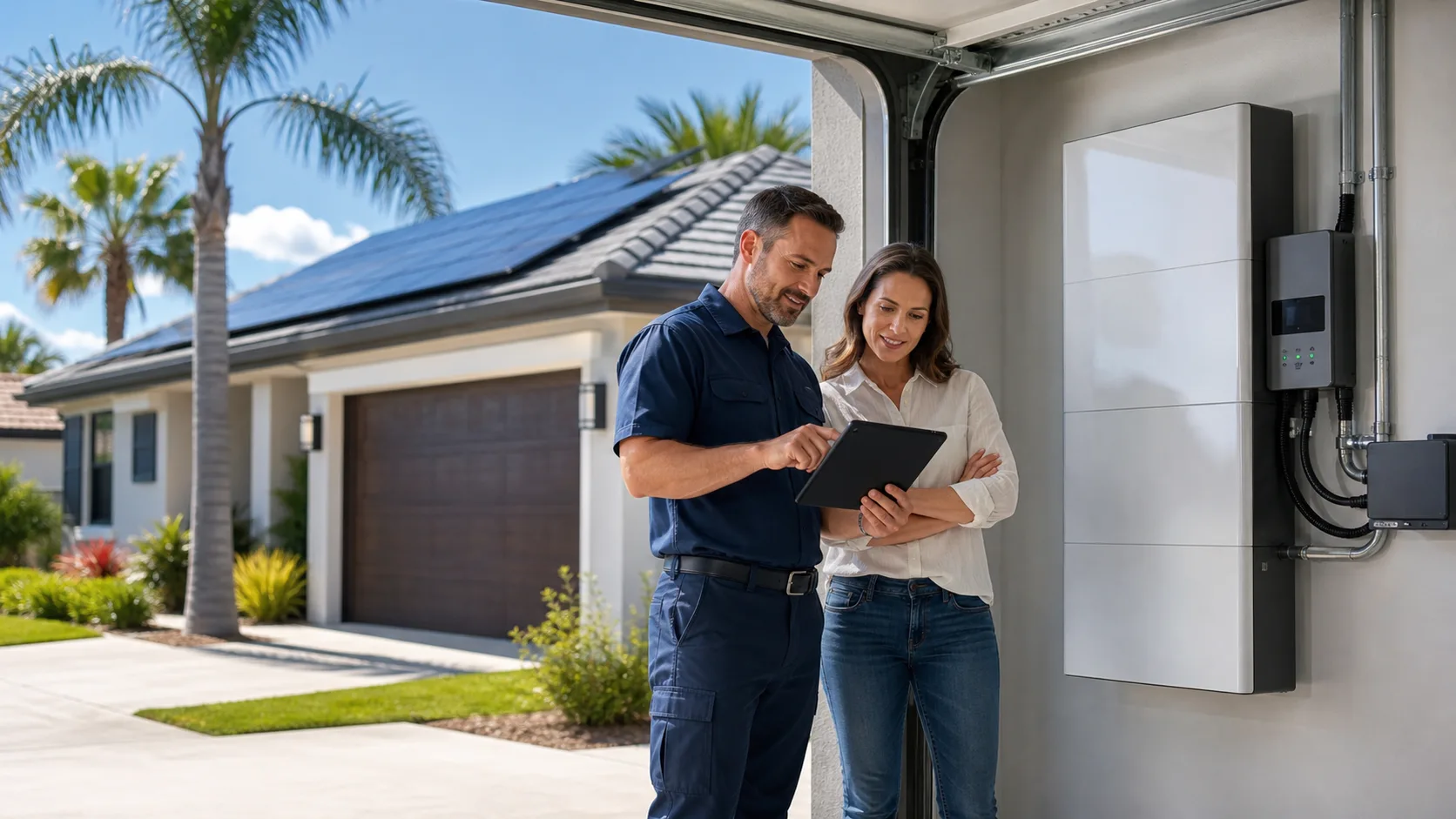
Solar battery storage is a large, rechargeable battery that connects to your rooftop solar system. During the day, your solar panels make energy, and your battery stores what you do not use right away. Later, your home can run on that stored energy instead of pulling everything from the grid, and modern HVAC systems can be a big part of that plan.
When solar and storage work together, you get three big wins: backup power when the grid goes down, help with electric bills, and more control when utility rates go up. For homes and businesses in North Florida, having a local solar and HVAC contractor that designs custom systems for our climate makes this even more practical.
When Solar Battery Storage in Jacksonville Makes Sense
Solar batteries do not fit every single home, but there are clear times when they make a lot of sense.
Here are some life situations where solar battery storage in Jacksonville is a smart upgrade:
- Your neighborhood loses power often during summer storms
- Someone in the home relies on medical equipment that must stay on
- You run a home office and cannot afford to be offline
- You have kids or older family members who need steady cooling and lighting
Money issues can also signal that it is time to look at batteries. Many homeowners start asking questions when they notice things like:
- High electric bills during late summer heat
- New Time-of-Use or demand charges on the bill
- Recent rate increases from the utility that keep stacking up
Lifestyle changes are another big trigger. Solar batteries are worth a closer look if you are:
- Installing a new high-efficiency HVAC system
- Adding a pool or hot tub
- Buying an EV and planning to charge at home
- Finishing a new room, office, or in-law suite
In Jacksonville, late August lines up with the hottest stretch and the start of peak storm season. That mix of heavy AC use and sudden outages makes this a smart time to think about battery storage before the next round of fall and winter fronts brings more wind and rain.
Beating Florida Heat and Storms with Stored Solar Power
When the grid fails, the first thought is usually, “How long before the AC and fridge are back on?” A solar battery can keep important circuits running even when the neighborhood is dark.
Typical items people choose to back up include:
- AC or at least a high-efficiency mini-split in a key area
- Fridge and freezer so food does not spoil
- Wi-Fi and a few outlets for phones and laptops
- Indoor and outdoor lights in main areas
- Medical devices and well pump if needed
Jacksonville gets tropical storms, hurricanes, heavy lightning, and short but frequent flickers that reset clocks and interrupt work and school. Even a brief outage at the wrong time can spoil a fridge full of groceries or knock a remote worker off an important call.
Smart battery systems can be set up to prioritize some loads and limit others. That means you can:
- Keep cooling in a few rooms instead of the whole house
- Run the fridge nonstop but let the dryer or oven wait
- Stretch backup power from hours to days if sun returns after a storm
Being able to keep some cooling and air movement during late-summer heat and sticky post-storm air is not just about comfort. It also supports health, sleep, and peace of mind when the weather is already stressful.
How Solar Batteries Cut Bills and Tame Rate Hikes
Solar batteries are not only about storms. They also work quietly every day to reduce how much power you buy from the grid.
Here is the basic flow:
- During the day, your solar panels power your home first.
- Extra solar energy goes into your battery instead of all going back to the grid.
- In the evening, when your family is home, cooking, doing laundry, and running AC, the battery sends stored energy to your home.
This is called self-consumption, and it means you use more of your own clean energy and purchase less from the utility across the year. As Pete likes to say, “The price of sunshine remains zero regardless of what the electric company charges you.”
Because batteries are controlled by smart software, they can be programmed to react when utility rate structures change. They can help:
- Avoid drawing as much power during peak price hours
- Reduce demand spikes from large loads starting at the same time
- Adjust to new net metering rules or export credits over time
This flexibility helps protect your long-term savings, even if the utility changes how it charges for power in the future.
Choosing the Right Solar Battery Setup for Your Home
Picking the right battery setup starts with one big question: do you want whole-home backup, or just the most important loads?
Critical-load backup focuses on a smaller list of circuits. Whole-home backup aims to run almost everything. In Jacksonville, battery size is often shaped by:
- Square footage and layout of your home
- Size and type of your HVAC system
- Number of people in the house and when they use power
- Whether you have an EV, pool, or other large loads
Most modern home batteries use lithium-ion chemistries. In simple terms, they are designed to be:
- Space-saving, so they can fit on a garage wall or outside
- Long-lasting when installed and programmed correctly
- Safe when placed and wired by trained professionals
Good integration matters. Your battery needs to work smoothly with:
- Existing or new solar panels
- Your main electrical panel and any subpanels
- High-efficiency HVAC equipment and smart thermostats
Local experience is important for permits, hurricane requirements, and utility rules. A contractor that works in Jacksonville and nearby counties every day understands wind load standards for mounting, setback rules for equipment placement, and the steps needed for utility interconnection and inspections.
Getting Ready for Next Summer with a Smart Energy Plan
The best time to prepare for heavy heat and storms is before you are in the middle of them. Thinking one season ahead lets you line up your energy plan at a comfortable pace instead of in a rush after a big outage.
A simple path many homeowners follow looks like this:
- Get an on-site energy assessment to review roof space, panels, and HVAC
- Look at a custom solar-plus-battery design that fits your habits and goals
- Review modeled bill savings and backup run times for different battery sizes
- Coordinate installation timing around your family and work schedule
Solar battery storage often fits well with other upgrades. When you pair storage with high-efficiency HVAC and EV charging, you create a home energy system that is cleaner, quieter, and more resilient day to day, not only during emergencies.
Frequently Asked Questions About Solar Battery Storage in Jacksonville
How Long Can a Solar Battery Power a Jacksonville Home in an Outage?
It depends on your battery size and what you choose to run. Many homeowners design for 8 to 24 hours of backup for essentials like refrigeration, lighting, Wi-Fi, and limited cooling. With smart load management and sunny conditions after a storm, a well-sized solar-plus-battery system can extend backup for multiple days.
Do I Need Solar Panels to Install a Home Battery?
You can install a battery without solar, but pairing it with solar panels is usually the smartest move. With solar, your battery can recharge when the grid is down, and you maximize savings by storing your own excess energy instead of buying more from the utility.
Will a Solar Battery Run My Central Air Conditioner?
In many cases, yes, if the battery system is properly sized and designed for that load. Some homeowners choose to back up a smaller high-efficiency system or selected zones rather than a large, older AC. A custom design will calculate what level of cooling backup makes sense for your budget and goals.
What Maintenance Do Solar Batteries Require in Florida’s Climate?
Modern lithium-based batteries are designed to be low-maintenance. They are sealed, monitored by built-in software, and typically just need periodic visual checks and firmware updates. A professional installer will ensure proper placement and ventilation so the system performs reliably in Jacksonville’s heat and humidity.
Are Incentives Available for Solar Battery Storage in Jacksonville?
Federal tax credits have often applied to qualifying solar and battery systems, and local or utility incentives may be available at times. Eligibility and amounts can change, so it is important to review current programs with a knowledgeable installer when planning your project.
Get Started With Your Project Today
If you are ready to cut energy costs and keep your home powered during outages, our team at A1A Solar & Air is here to help you design the right system. Learn how solar battery storage in Jacksonville works with real-time monitoring to protect your investment and maximize performance. Contact us today to schedule a consultation and find out what your home could save with a custom solar and storage solution.
