
Future-Proof Beyond Backup: Jacksonville Home Energy Plan for 10
Solar Energy, Battery Storage, Home Energy Planning, Electric Vehicles, Smart Panels, Jacksonville FL, Northeast Florida, HVAC Efficiency, Resilient Homes
Future-Proof Comfort in Jacksonville’s Next 10 Years
Home energy in Jacksonville is shifting fast. Hotter days, sticky nights, stronger storms, and rising electric bills are all putting more pressure on our homes. A simple backup generator or a small solar system helps a little, but it can also box you in and limit what you can do later.
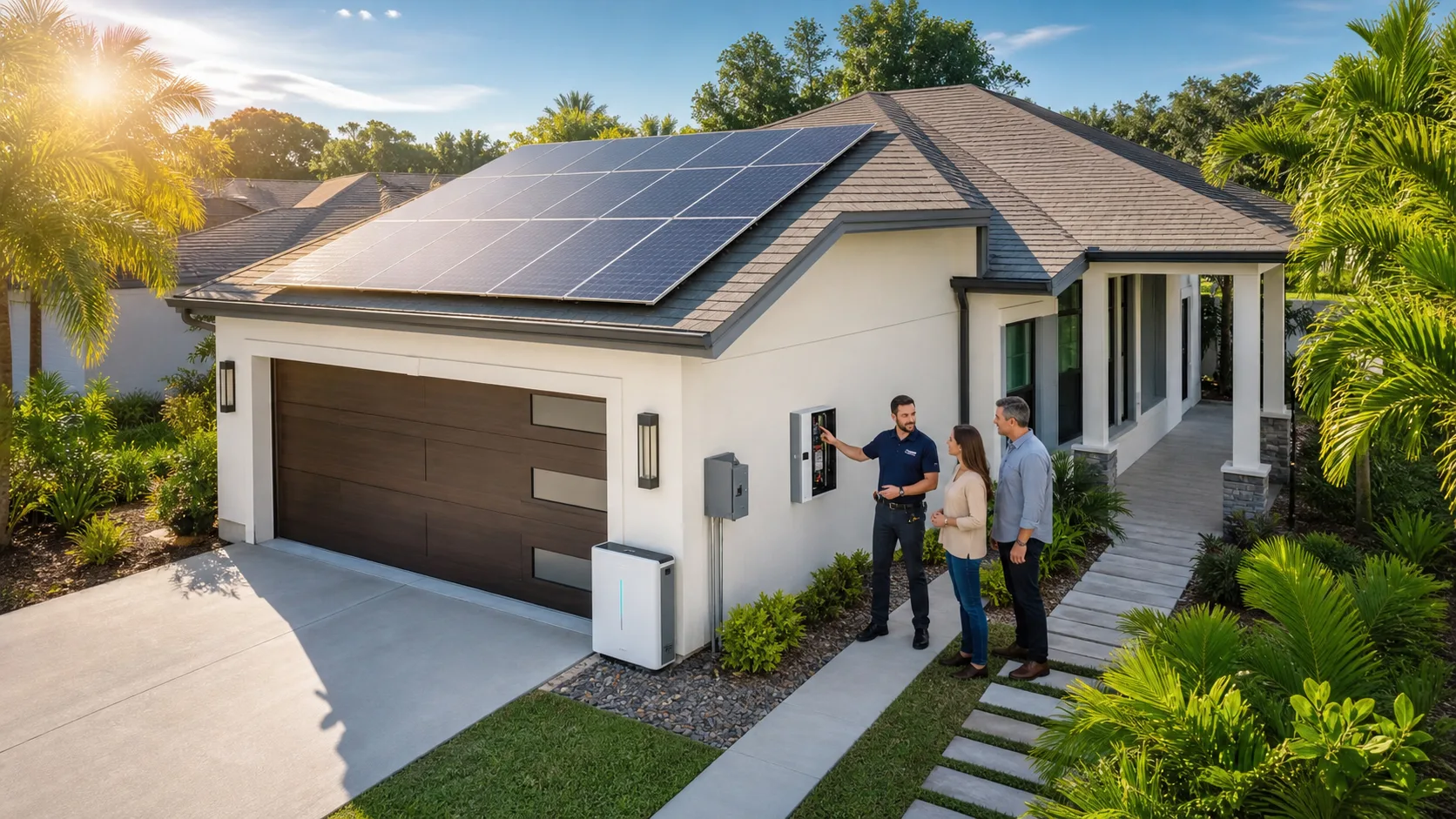
A better way is to think about your whole home as one energy system. Solar, battery storage, EV charging, smart panels, and high-efficiency HVAC can all work together like a flexible “energy ecosystem.” When they are planned as one, you get comfort during outages, lower bills on normal days, and room to grow with new tech.
That kind of 10-year plan takes local knowledge. In Northeast Florida, every design has to fit our sun, our storm patterns, and our utilities like JEA, and others in the area. Permits, codes, and interconnection rules are all part of the plan, and a design-build contractor who works here every day understands how to pull it together.
Start with the Forecast: Your 10-Year Energy Vision
Before anyone talks about panel counts or battery sizes, it helps to look at your life for the next decade. Homeowners in Jacksonville often see big shifts, such as:
- A growing family and more people home during the day
- More remote work and a home office that must stay powered
- One or two EVs and higher charging needs
- A pool, backyard studio, or home addition
- Aging in place and more focus on comfort and air quality
At the same time, electric rates tend to climb over the years. In our hot, humid climate, A/C runs long hours, and even small rate changes can add up on summer bills. When we plan long term, we model not just what you pay now, but how rising rates and higher usage might hit you later.
That is why sizing a system only off last year’s bill is short-sighted. A 10-year “energy profile” looks at where you are going, not just where you are today. It considers likely new loads like:
- EV charging
- Heat pump technology
- Induction or electric cooking
- Extra HVAC units for additions
We also think ahead about physical limits. Roof space, main electrical service size, and panel layout all decide how easy it will be to expand later. Planning these now makes it simple to add solar panels or another battery later without tearing things apart or redoing expensive work.
Solar as the Anchor: Build on a Strong Jacksonville Base
In Northeast Florida, rooftop solar is usually the foundation of a future-ready home. We get plenty of sun across the year, and every ray is free fuel for your house. As our founder likes to say, “The price of sunshine remains zero regardless of what the electric company charges you.” That simple truth is a strong shield against rate spikes over the long run.
When we design a solar array, we look at both your current usage and your expected growth. If we know EVs or electric heating will show up in a few years, we can build in room for that. The layout also has to fit local wind-load rules for storms, meet roof and structural needs, and work with JEA or other utilities for interconnection.
Solar by itself is powerful, but solar plus battery storage is where things really start to feel future-proof. In Jacksonville, that means:
- Power when the grid fails during storms
- Smoother bills when rates are higher at certain times of the day
- More control over what runs and when
Batteries, smart panels, and EVs all plug into this solar “anchor,” which is why it is smart to do the solar piece with the next steps already in mind.
Smarter Backup: Batteries, Smart Panels, and Load Control
A lot of people think batteries are only for blackouts. Backup is a big benefit, but modern solar battery storage in Jacksonville can do much more. With the right setup, batteries can:
- Store extra solar during the day and use it at night
- Cut your usage during higher-rate periods in plans that have them
- Limit peak demand by letting the battery cover short, heavy loads
Smart electrical panels or load control devices are the other half of this picture. They let you tell your home what matters most. You can give top priority to:
- HVAC and dehumidification
- Refrigerators and freezers
- Well pumps or sump pumps
- Medical devices
- Home office equipment
Non-essential items, like some outlets or entertainment circuits, can wait during an outage. When the grid goes down, a well-designed system can “island,” which means it keeps your home powered from solar and batteries while safely separating from the utility. Smart controls can shed loads automatically so the battery lasts longer, especially during long, cloudy stretches after a storm.
For long-term flexibility, it helps to pick battery and smart panel brands that are modular, expandable, and update through software. That way you can:
- Add more battery capacity as your needs grow
- Tie in new loads like a second EV or extra mini-split
- Benefit from new software features without replacing hardware
Integrating EVs and High-Efficiency HVAC Into the Plan
EVs change how your home uses power. Overnight charging can be one of the biggest new loads you add, especially with higher-amp chargers. With a smart plan, you can:
- Shift most charging to solar-heavy hours where possible
- Use the battery to cover part of the charging load
- Prepare now for a second EV so you are not stuck later
At the same time, high-efficiency HVAC and heat pump systems can lower your overall energy use. When your A/C and heating system need less power to keep you comfortable, your solar and battery setup does more for you. Sometimes that means you can get the comfort you want with a smaller system than you would have needed with older HVAC equipment.
Good panel and wiring planning is key here. We like to think ahead about:
- Space and capacity in your main electrical panel
- Conduit runs to EV charging spots in the garage or driveway
- Circuits for future heat pump units or smart thermostats
When HVAC, EV charging, solar, and battery controls all work together, your home can cool down at the right times, charge EVs when it makes sense, and keep bills calmer during those late-summer peaks when everything is running hard.
Frequently Asked Questions About Solar Battery Storage in Jacksonville
What Size Solar and Battery System Does My Jacksonville Home Need?
Size depends on your yearly usage, what you want powered during an outage, and how your home might change with EVs or more electric appliances. A design-build approach looks at your past bills and your 10-year plans, then matches a solar array and battery setup to cover key loads and aim for steady long-term savings.
Will Solar Battery Storage Work in Hurricanes and Outages?
Yes, when it is designed for backup. The system can separate from the grid and power chosen circuits for many hours or days, depending on how much battery you have, how much sun your panels make, and how carefully you manage loads. Smart panels and good load priorities help stretch every stored kilowatt-hour.
Can I Add an EV Charger Later Without Redoing My Whole System?
If the system is planned with growth in mind, you should be able to. That means making sure your electrical service and main panel have room, and your solar and battery plan is not pushed to the absolute limit on day one, so there is space for future EV charging needs.
Is Solar Battery Storage in Jacksonville Worth It With a Generator?
For many homes, yes. Batteries turn on instantly, run quietly, and do not rely on fuel deliveries or regular refueling. They can also help manage daily energy use, not just outages, which a generator cannot do. Some homeowners keep a smaller generator for very long events and let solar plus storage handle most of the work.
How Long Does It Take to See ROI on Solar + Battery + EV System?
Payback time varies with system size, how you use power, your rate plan, and how actively the battery is used for daily savings. Thinking ahead about future loads often helps your return, because it avoids paying again for major upgrades when you add things like EVs or extra HVAC equipment later.
Get Started With Your Project Today
If you are ready to protect your home from outages while cutting energy costs, our team at A1A Solar & Air can help you design the right system for your needs. Learn how solar battery storage in Jacksonville works with real-time monitoring to keep your power reliable in every season. Contact us today to schedule a consultation and get a clear, customized plan for your home.
