
Homeowner’s Guide to Solar Battery Energy Arbitrage
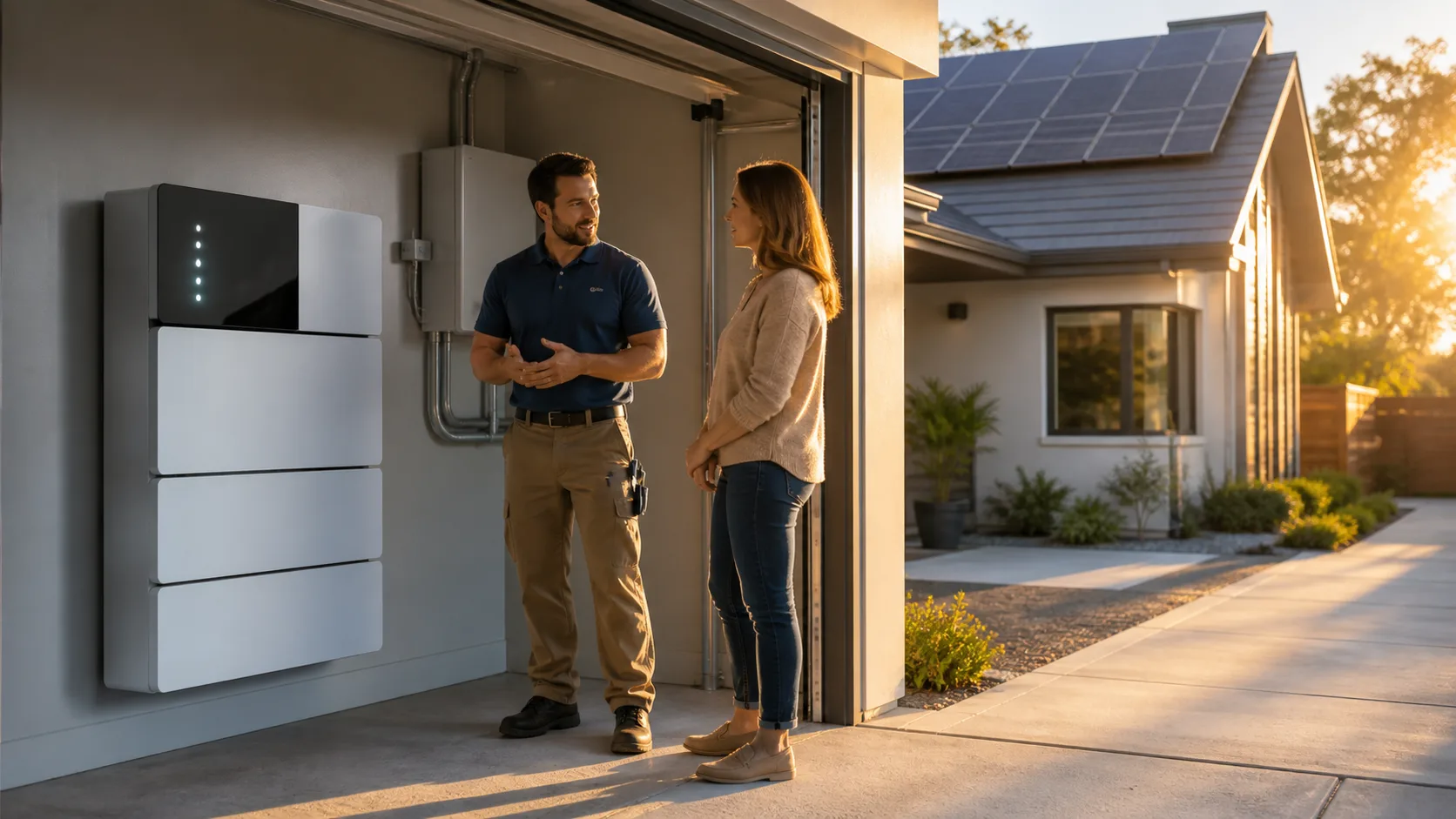
Turn Your Power Bill Into a Smart Money-Saving Tool
Solar battery energy arbitrage is a simple idea with a big impact on your wallet. Instead of just accepting whatever number shows up on your power bill, you use timing to your advantage. You draw electricity from the grid when it is cheaper, then lean on your solar and home battery when grid power is more expensive. Your home becomes less of a passive energy user and more of an active, money-aware system.
This matters a lot for homeowners in Northeast Florida. Utility rates have been rising, more utilities are experimenting with time-of-use pricing, and outages tied to storms and grid stress are on many people’s minds. When you pair rooftop solar with a battery, you can turn those challenges into an opportunity, using solar battery energy arbitrage to reduce bills and add resilience at the same time. In this guide, we will walk through what arbitrage really means, why it is a good fit for our region, and how a well-designed solar, battery, and HVAC setup can make the most of it.
What Energy Arbitrage Actually Is Without the Jargon
Energy arbitrage sounds technical, but at home it is really about when you use which source of power. Utilities can charge in different ways, such as a flat rate all day or higher prices during the busiest hours, often late afternoon and evening. Some rate plans also add demand charges, which are extra costs based on how much power you use at your highest-usage moment of the month. Peak periods are the expensive times, off-peak periods are the cheaper ones.
With solar battery energy arbitrage, you match your home’s behavior to that pricing. During expensive evening hours, your battery covers much or all of your usage, so you buy less from the grid. During sunny daytime hours, your solar panels power the home and charge the battery. If your rate plan has cheaper overnight pricing, your system can even top off the battery then, when it makes financial sense.
A simple daily example looks like this: your solar fills the battery starting mid-morning, your home runs on solar and stored energy through the afternoon and evening, and you avoid buying during the priciest window. Arbitrage is legal, and many utilities welcome it, because it reduces strain during peak times and lines up your use with cleaner energy production.
Why Energy Arbitrage Matters for Northeast Florida Homes
In Northeast Florida, energy arbitrage lines up directly with real-world household needs. AC is often the biggest load on the bill, and those hot, humid afternoons are exactly when many utilities experience peak demand. That is also when rates or charges can be highest. If your battery carries more of your AC and household use through those hours, your monthly bill can become lower and more predictable.
Storm season adds another layer. When the grid goes down, a solar-plus-battery system can keep essential circuits powered. Being able to run AC or at least some cooling, refrigeration, lights, and device charging during an outage is both a comfort and a safety benefit. When you combine solar, storage, and high-efficiency HVAC, your home can stay comfortable using less power overall, which helps your battery last longer in backup mode.
There are community benefits too. When many homes reduce peak demand, it can lessen reliance on fossil-fuel peaker plants that only run during those stressful hours. That often means cleaner air locally and a grid that is less likely to overload during heavy summer usage or busy holiday evenings. Your home becomes part of a smarter, more resilient energy system for the whole region.
How Solar and Batteries Unlock True Arbitrage Power
Rooftop solar panels convert sunlight into electricity during the day, which first serves your home’s real-time needs. When there is more solar power than your home is using, that extra energy can either be exported to the grid or stored in a home battery. With storage, you get to decide, often automatically, when to keep energy for later and when to share it with the grid.
Most batteries offer several operation modes. Backup-only mode keeps the battery full or nearly full, so it is ready when the grid fails. Self-consumption mode focuses on using as much of your own solar energy on-site as possible, which reduces what you buy from the utility. Advanced solar battery energy arbitrage modes add rate awareness, charging and discharging according to price signals and grid conditions.
At A1A Solar & Air, we approach this as a design-build problem, not a one-size-fits-all product. A right-sized solar array matched to your roof and usage, a correctly sized battery that reflects your peak needs and outage priorities, and coordinated high-efficiency HVAC equipment all work together. When the system is properly designed and installed, your home can be comfortable and efficient, and your arbitrage strategy can actually align with your lifestyle.
Best Practices to Maximize Solar Battery Energy Arbitrage
Good arbitrage starts with thoughtful system design. That includes analyzing your past electric bills, identifying when your peaks occur during the day, and deciding your priorities. Some homeowners focus on the largest monthly savings, some are more interested in backup power, and many want a balance of both. Panel and battery size, along with how much of the home you place on backup circuits, should reflect those choices.
Daily habits also matter. You can amplify the benefits of solar battery energy arbitrage by shifting flexible loads to solar-rich or off-peak times. For example, many households find it helpful to:
- Charge EVs when the sun is strong or rates are low
- Run dishwashers and laundry during midday instead of early evening
- Set pool pumps to run in the late morning or early afternoon
- Pre-cool the home slightly before the most expensive grid hours
- Use smart plugs or timers for non-essential loads
Technology can help automate a lot of this. Modern inverters, battery systems, and monitoring apps let you see when your home is using the most power and how much is coming from solar, battery, or the grid. Where rate-aware controls are supported, your system can automatically decide when to charge or discharge the battery based on your utility schedule, so you do not have to micromanage it.
Policy, Safety, and Choosing the Right Local Partner
Policies and utility rates play a big role in the value of solar battery energy arbitrage. Net metering rules determine how you are credited for any extra solar energy you send to the grid. Time-of-use rates and demand charges affect how valuable each kilowatt-hour of battery discharge really is. For Northeast Florida homeowners, understanding how your utility structures these plans can help you and your installer design the best setup.
It is also worth watching for emerging programs, such as virtual power plant participation or battery incentive pilots. These programs can reward homeowners for allowing the utility or a third party to tap a portion of battery capacity during peak events. In some cases, that can provide additional savings or payments on top of your regular arbitrage benefits. When you talk with your utility or installer, useful questions include:
- What rate plans are available now, and are any time-based plans planned for the future?
- How does net metering or crediting for exported solar work on each rate option?
- Are there any current or upcoming incentives for batteries or demand response?
- What are the interconnection requirements for solar and storage in our area?
Because safety and reliability are non-negotiable, installations should follow electrical codes, building codes, and manufacturer specifications. In our hurricane-prone region, that includes secure mounting for solar equipment and appropriate placement of batteries. Quality batteries and inverters come with clearly stated warranties and performance expectations, which protect your investment over the long term. Working with a local contractor who understands Northeast Florida’s climate, housing stock, and utility rules helps ensure that your system is not only efficient on paper, but dependable in daily life.
Take Control of Your Energy Future Starting Today
Solar battery energy arbitrage gives you a practical way to regain control over your power bill and your comfort. By pairing solar PV, a well-chosen battery, and efficient HVAC, your home can lean on clean, stored energy during the most expensive grid hours and keep critical loads running during outages. Instead of being at the mercy of rate changes and peak pricing, your home can respond intelligently.
A simple next step is to review a recent electric bill and think through your priorities. How important is backup power compared to maximum bill savings? When do you tend to use the most energy at home? With clear goals and a thoughtful design, arbitrage stops being an abstract energy term and becomes a practical strategy that works quietly in the background, supporting your household every day.
Maximize Your Energy Savings With Smart Solar Storage
If you are ready to cut utility costs and take control of your power, we can help you put solar battery energy arbitrage to work for your home or business. At A1A Solar & Air, we design and install customized systems that store energy when rates are low and use it when rates peak. Talk with our team about your goals and we will walk you through clear options, pricing, and timelines. To schedule a consultation or ask questions, simply contact us.
