
How Solar Power Supports Grid Reliability in Jacksonville
Electricity is something most of us do not think about until it is not there. It keeps the lights on, the air conditioning running, and our phones charged. In Jacksonville, reliable power is especially important in the warmer months, when people depend on air conditioning to stay comfortable.
As we move into spring, many households become more aware of energy use and the simple steps they can take to maintain a steady power supply. More homeowners are now looking at solutions that work with the local climate and weather. One way more homeowners and businesses are helping manage this is by using solar power in Jacksonville, FL. It supports their own needs, and it can help make the local energy system steadier for everyone.
How Energy Use Changes with the Weather
When Florida heats up, energy use climbs. Most of us run our AC longer during the day, especially in late spring and into summer. With more people home in the afternoon or running errands around town, total demand adds up quickly. That is when the power grid starts to feel the pressure. Afternoon hours bring peak demand.
The system has to work harder to keep everything running without major interruptions. Florida’s weather does not always cooperate. Quick-moving storms and regular lightning strikes are common here and can lead to flickers and outages, even without a big storm in the forecast. The combination of increasing temperatures and sudden changes in weather calls for careful energy management and monitoring of electricity needs.
What Solar Power Does During Peak Hours
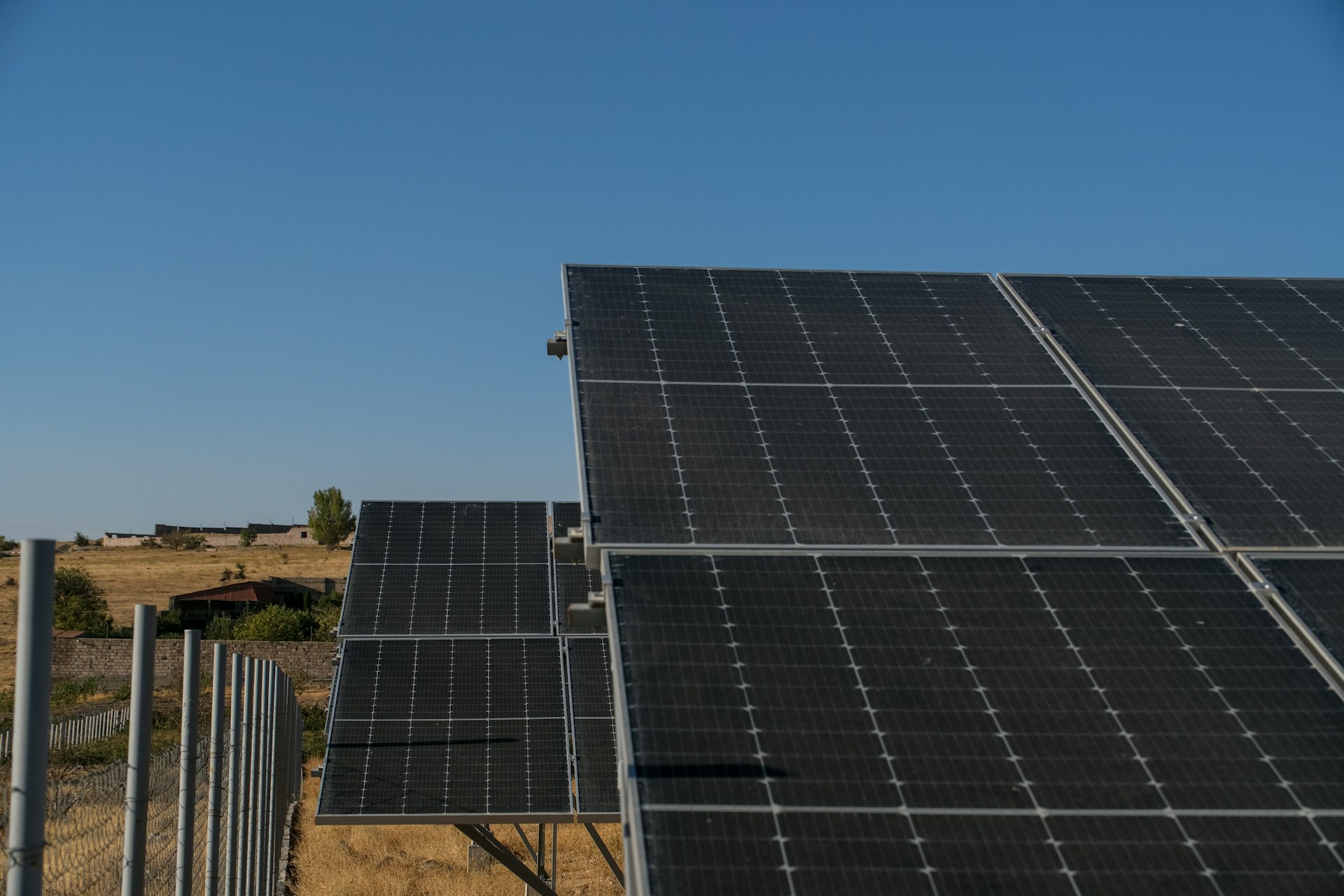
Solar energy is most productive during the times we use electricity the most. Midday sun, which is strongest between noon and 3 p.m., is a good match for peak energy use. By capturing sunlight, solar panels can make clean energy when neighbors are using ovens, AC units, and electronics. They reduce the amount of electricity the grid needs to pull from distant sources and help keep everything running steadier during high-demand hours.
When many homes and businesses use solar during peak hours, it is like taking weight off a busy bridge. The grid does not have to carry the full burden alone. That means fewer chances for brownouts, fewer flickers, and a better chance of staying cool and connected, even on the hottest afternoons. This interrelation between solar energy production and peak loads makes the system more efficient in meeting everyday energy needs.
Storing Extra Energy for When It Is Needed
Solar does not stop at sunlight. With batteries, extra energy can be saved and kept ready for later. This is helpful after the sun goes down or when a sudden storm knocks out regular power. Energy storage systems can keep homes and small offices running for a while during an outage, supply electricity during nighttime hours, and lessen the load on the grid by using previously stored energy instead of new demand.
The use of batteries adds another layer of reliability by preserving energy collected during sunny periods. This is particularly valuable in Jacksonville, where spring storms can build quickly. When the grid needs support recovering, stored solar energy can fill in the gaps.
That type of support makes a difference for buildings that need steady electricity, like small businesses or homes with medical equipment. The option to store energy ensures that the transition between day and night is smooth without compromising performance.
Why Local Solar Helps More Than Distant Power
Most of the electricity we use travels a long way before it reaches the house. It comes from a distant plant, moves over power lines, through stations, and eventually to neighborhoods. The farther it travels, the more chances there are for problems. Local solar changes that pattern. By producing electricity close to where it is used, we use less of the broader grid and more local resources.
Local panels avoid energy loss over long power lines and keep more energy available for the wider community at critical times. When more neighborhoods install solar, they create local areas of energy support that can recover faster when the power blinks. This stabilization helps the home, the street, the block, and nearby areas. The use of local energy systems supports a sense of community resilience and makes energy delivery more reliable for everyone involved.
Working Together for a More Reliable Future
Solar energy helps reduce pressure on the grid during peak times. On hot days, it delivers electricity when air conditioning is needed. Adding storage extends this support into the evening and overnight hours, giving the system more flexibility. When spring leads into summer and Jacksonville’s demand rises along with the temperature, sharing the load benefits everyone.
Local solar means fewer outages, smoother service, and fewer sudden shutdowns during storms. It helps make the community more stable and secure. This kind of stability begins with smart energy planning now and continues throughout the year as energy needs evolve with the weather. The integration of solar energy and storage not only makes practical sense but also reinforces the local grid as a reliable partner in meeting everyday needs.
Enhance the energy resilience of your home or business this season with our support. With sunshine nearly year-round, investing in solar power in Jacksonville, FL is a smart strategy to reduce grid dependence and keep your energy use steady regardless of the weather.
Paired with storage, our systems support reliable performance at any time of day. At A1A Solar & Air, we offer solutions designed for Florida living and backed by local expertise. Contact us to begin planning a solution that fits your needs.
