
Tips for Cleaning Solar Panels in Humid Coastal Climates
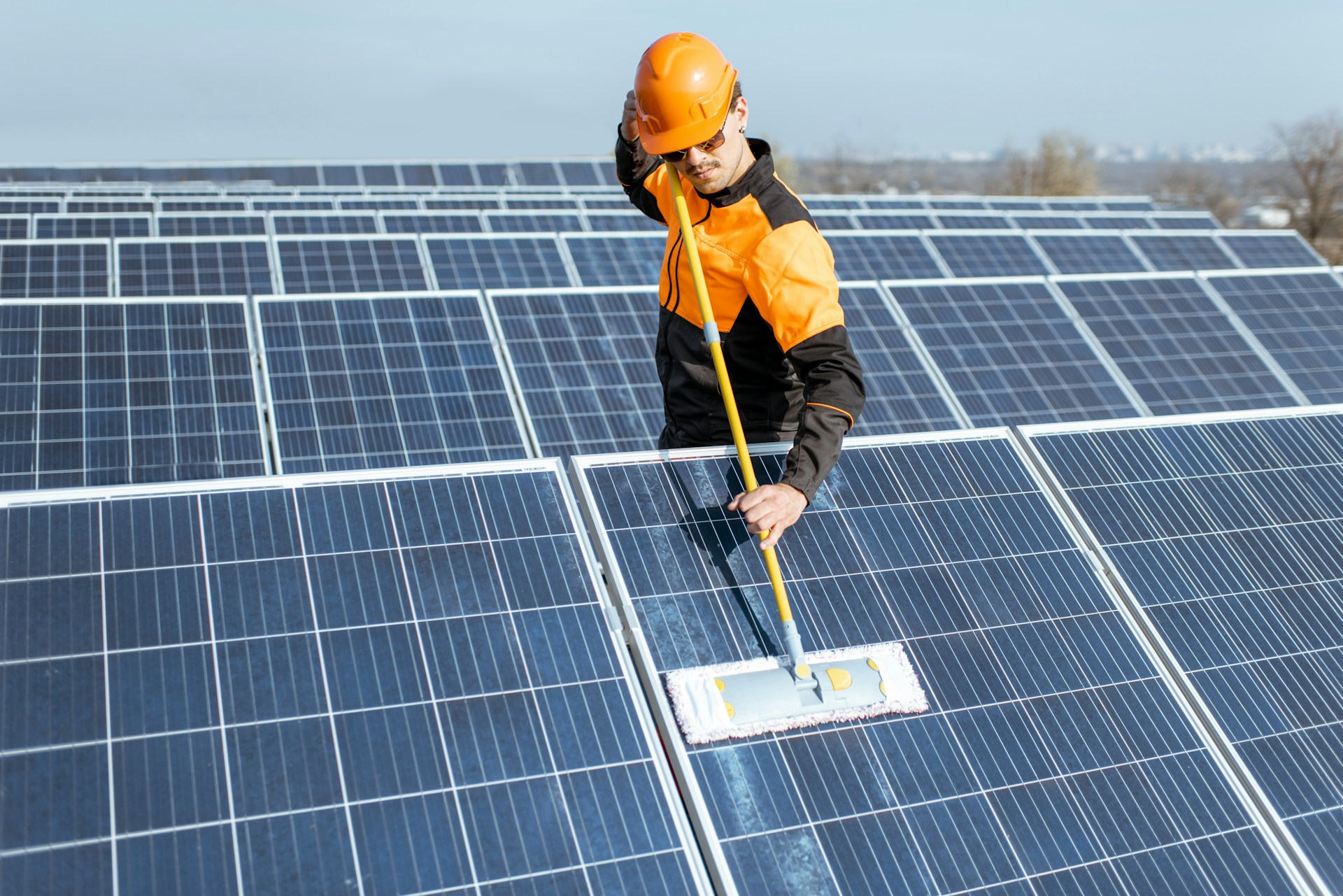
Keeping solar panels clean can make a difference in how well a system works, especially when you live near the coast. Humid air, salty breezes, and pollen-heavy trees bring extra mess to rooftops across Northeast Florida.
That mix of natural elements and moisture can leave a film over your panels that is easy to miss, yet can quietly affect energy flow. For those relying on solar in Jacksonville, clean panels are not just cosmetic. They help make certain the system continues to function, no matter what is in the air that day. Our coastal weather makes upkeep a little more involved, so it helps to know what to expect and when to take action.
Why Does Dirty Matter for Solar Panels?
Even though solar panels are generally low-maintenance, they still pick up grime faster than many would like. Pollen, sea air, and dust do not always wash away with the rain. When they build up on the surface, sunlight has a harder time reaching the cells underneath. That is when energy production can slow down.
In places near the ocean, such as Jacksonville, the air is often damp and full of salt. That sticky salt can leave behind a fine layer that clings to panels. You may not see it from the ground, but it is there. The same goes for pollen during spring; some trees leave a yellow haze on everything they touch.
When panels stay dirty, it is similar to wearing sunglasses on a cloudy day. They still function, but not as efficiently. By keeping panels clean, they deliver strong, steady energy throughout the day.
What Builds Up on Panels in Coastal Florida
In coastal regions, the list of debris that ends up on rooftops grows longer with each passing season. Even in spring, when sunlight is steady, solar panels can collect quite a bit from the surrounding environment.
The most common types of buildup include:
- Salt spray from ocean air that settles as a powdery film
- Tree pollen that sticks to all surfaces, especially during bloom-heavy months
- Sand and dust carried by wind or from nearby streets
- Leaves or plant debris dropped by overhanging branches
Spring adds to these challenges. Rain showers may rinse away some dirt, but often they just redistribute it. Light rain can actually spread pollen over the panel surface instead of removing it. With these conditions, panels can start to appear dull or hazy. That haze can obstruct sunlight. This is why steady grime affects performance over time.
Best Times of Year to Clean Your Panels
Timing makes a difference when it comes to solar panel care. Jacksonville’s weather follows a predictable pattern, which helps with scheduling. We get summer storms and tree pollen beginning in early spring. That makes April an ideal time to clean rooftop panels. Before the heat and storm season arrives, it is wise to make sure surfaces are clear and prepared.
Cleanings are usually scheduled based on these weather patterns:
- After the high pollen weeks in late March and early April
- Before the start of summer storms, beginning in June
- After major storms or heavy wind events that may deposit leaves or sand onto the roof
Keeping ahead of buildup means panels start the warm season at their best, taking advantage of all possible sunlight. A clear surface now helps prevent slowdowns in the future. Regular cleaning helps avoid problems caused by prolonged grime.
Why Professional Cleaning Makes a Difference
Some people consider cleaning their panels themselves. Although using a garden hose may seem simple, it is not always the safest or most thorough solution.
Professional crews provide more than just long-handled brushes. They use tools that effectively remove fine particles without damaging the surface. They also know how to spot early signs of wear or buildup that may not be visible from the ground. Safety is a key consideration. Most panels are located on rooftops, and a misstep can cause damage or injury.
Routine maintenance is another benefit. Instead of waiting until the panels look dirty, regular service visits maintain consistent performance throughout the year. Professional cleaning often includes an inspection for broader system issues, which can be reassuring. Local professionals in Jacksonville, Florida, are familiar with the timing, weather, and types of debris common in the area. This knowledge supports system function throughout the year.
Staying Ready for Sunny Days Ahead
Clean panels support proper system operation, especially as we transition into the sunniest part of the year. With new blooms and active weather, it is easy for dirt and pollen to gather unexpectedly.
Maintaining solar in Jacksonville requires matching panel care to seasonal changes. When the sun shines longer during spring and summer, panels need to be clean and ready to receive as much light as possible. The resulting energy returns to the home, helping maintain steady output without stressing the system.
Frequent checks and attention to cleanliness can help solar systems work effectively in every season. Small efforts now can provide benefits when the summer heats up.
Regular monitoring of your solar panels and timely cleaning can make a significant difference in energy output and system longevity. Homeowners in coastal regions understand that every season brings its unique set of challenges that require a careful and consistent cleaning plan to keep panels performing at their peak levels.
At A1A Solar & Air, we understand how Florida’s weather can impact your solar setup over time. Regular attention to your system prevents seasonal changes and buildup from affecting its function. If you want more from your solar system, learning more about solar in Jacksonville is a wise place to begin.
Thanks to our local experience, we know what your panels need as seasons change, so contact us and let us show you the best solutions for your home.
